Soffit and Fascia; aluminum and vinyl
Roof Edges That Prevent Water Entry
Soffit and Fascia; aluminum and vinyl in navigation menu for homes with rotting trim or ventilation problems
When fascia boards show soft spots or soffit panels sag and discolor, the roof edge is no longer protecting the rafter tails from moisture exposure. Nailhead Roofing installs aluminum and vinyl soffit and fascia systems that seal the roof perimeter and provide continuous ventilation to prevent attic heat buildup. The company uses Royal Siding brand materials for all vinyl siding and soffit installations, ensuring consistent color matching and panel fit across the roof edge and wall transitions.
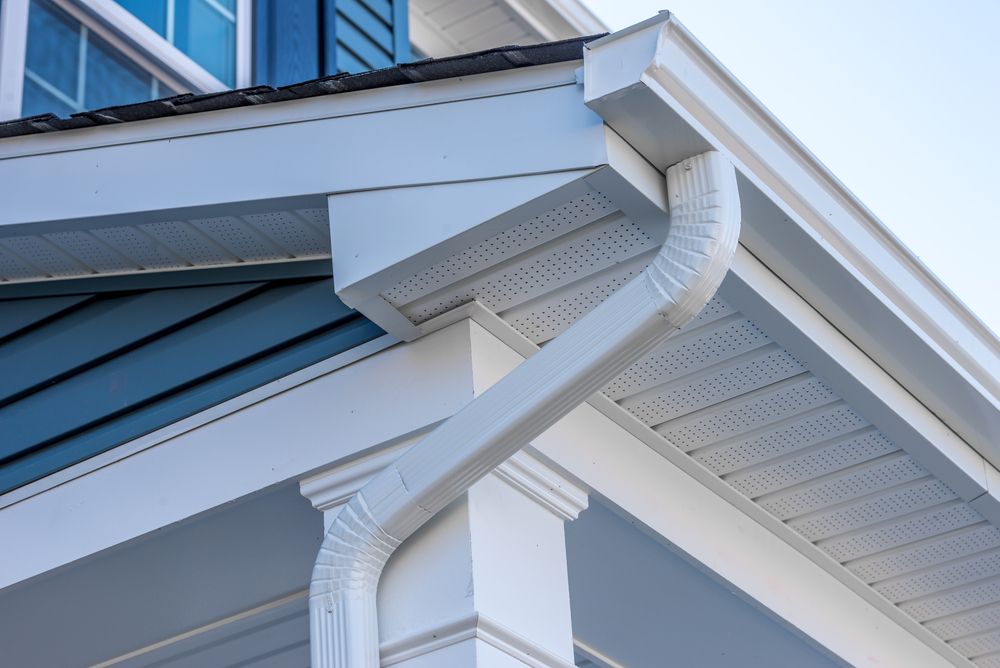
The work involves removing deteriorated wood trim, inspecting rafter tails for rot, and installing new fascia boards that attach securely to the roof structure before covering them with aluminum or vinyl that won't absorb water. Soffit panels include perforations that allow attic air to flow from the eaves to the ridge vents, which reduces cooling costs and prevents moisture condensation inside the roof assembly.
Arrange an on-site consultation to assess your current roof edge condition and determine ventilation requirements.
How Soffit and Fascia Address Roof Edge Damage
Soffit and fascia replacement starts with removing old trim to expose the rafter tails and eave structure underneath. Royal Siding soffit panels lock into channels mounted along the wall and roof edge, creating a finished surface that hides the framing while maintaining airflow through vented sections. Aluminum fascia wraps over new or existing fascia boards, providing a weather-resistant surface that won't rot when gutters overflow or ice dams form along the edge.
After installation, you'll see clean, straight lines along the roof edge without the wavy appearance that comes from swollen wood fascia, and soffit panels will sit flat without the sagging or staining caused by trapped moisture. Attic temperatures drop during summer months because vented soffit allows cooler air to enter at the eaves and exit through ridge vents, and you won't see the dark streaks or mold growth that appear on solid soffit where humidity condenses against unventilated surfaces.
Vinyl and aluminum each perform differently in terms of expansion rates, impact resistance, and color retention, so the choice depends on whether your roof edge faces direct sun exposure, whether trees overhang the eaves, and whether the existing structure can support the weight of aluminum without additional blocking.
Common Questions About This Service
Property owners usually want to know how soffit ventilation works, what materials last longer, and whether fascia can be installed without full soffit replacement.
- What does vented soffit actually do for attic temperature? Vented soffit panels include perforated sections that allow outside air to enter the attic at the lowest point, which then rises as it warms and exits through ridge or gable vents, creating continuous airflow that prevents heat buildup and moisture condensation throughout the roof cavity.
- How does aluminum fascia prevent the rot that happens with wood trim? Aluminum doesn't absorb water, so when gutters overflow or ice dams form along the roof edge, the fascia surface sheds moisture instead of soaking it in, which eliminates the swelling, cracking, and fungal decay that require wood fascia replacement every decade.
- When should fascia be replaced instead of just covered? Fascia boards must be replaced if they're soft, cracked, or pulling away from the rafter tails, because covering rotted wood with aluminum leaves no solid backing for gutter fasteners and allows the deterioration to continue behind the new surface.
- What happens if soffit and fascia colors don't match existing siding? Royal Siding offers a range of colors that coordinate with standard vinyl siding profiles, and choosing materials from the same product line ensures that the roof edge trim matches the wall cladding without the fading mismatch that occurs when mixing brands with different UV stabilizers.
- How do soffit panels attach without visible fasteners? Soffit panels slide into receiving channels mounted to the wall and fascia, locking together with hidden tabs that hold them in place while allowing thermal expansion and contraction without buckling or pulling loose.
Nailhead Roofing evaluates your roof edge structure and recommends material combinations based on your attic ventilation needs and the condition of existing fascia boards. Set up a property inspection to identify areas where moisture has compromised the roof edge and to review Royal Siding color options that match your home.
